When it comes to managing and taking control of your finances, there are a lot of numbers you must keep track of. Budgeting bills, setting money aside for savings, but have you ever thought about your debt-to-income ratio? Whether you are thinking about applying for a loan or simply working towards your financial goals, understanding your debt-to-income ratio can be an essential part of helping you along the way. Your Financial Gurus are here to break down what the debt-to-income ratio means, why lenders care about it, and how to improve and manage yours over time.
What Is the Debt-To-Income Ratio?
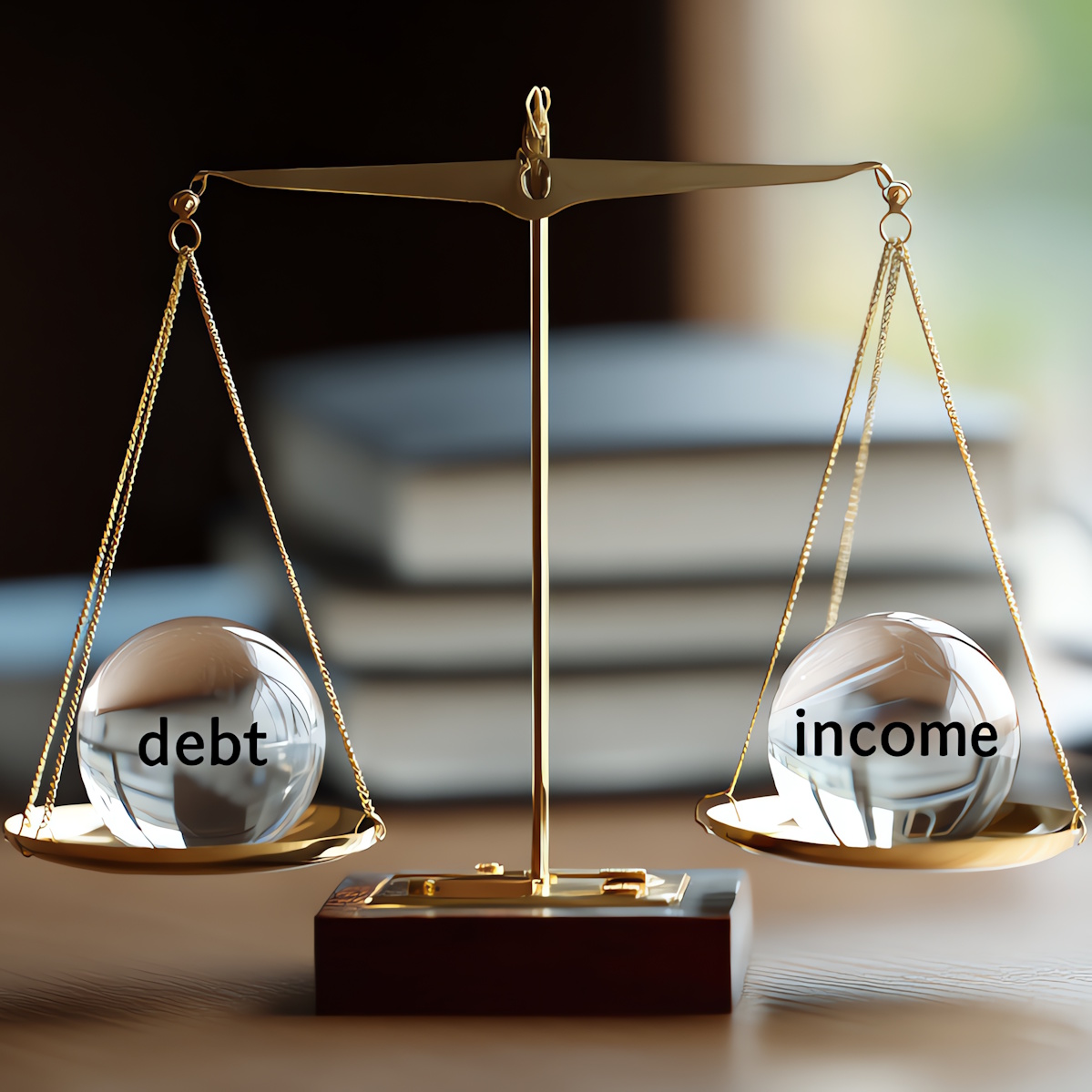
Your debt-to-income ratio, often shortened to DTI, compares your monthly debts to your gross monthly income. This is reflected as a percentage between the two. Your monthly debts can include rent or mortgage payments, auto loan payments, student loans, and credit card payments. Monthly debts exclude things like groceries, utilities, subscriptions, and other day-to-day expenses. Your gross monthly income is the amount you make prior to any taxes or other deductions being taken. Lenders use your DTI to better understand your financial picture and determine how comfortably you could take on new payments.
How to Calculate Your Debt-To-Income Ratio
Step 1 – Add up all your monthly debt payments
Step 2 – Divide the total of your monthly debts by your gross monthly income
Step 3 – Multiply that number by 100 to get your DTI percentage
Example:
$2,000 in monthly debts ÷ $5,000 in gross income x 100 = 40% DTI
Why Your Debt-To-Income Ratio Matters
Your DTI helps lenders understand how much room you have in your budget for any new monthly debts. It answers the important question of: Can you comfortably take on this new payment without overextending yourself? A lower DTI generally indicates a healthy balance between income and debt, which can make qualifying for a loan easier. A higher DTI may signal financial strain, making qualifying for a loan much more difficult. While every lender is different and has their own set of guidelines, a debt ratio of 43% or less is typically favored, especially by mortgage lenders.
*** If you feel your DTI is high and your debts are getting out of hand, remember WWFCU proudly offers all our members FREE Financial Counseling! ***
How to Improve Your Debt-To-Income Ratio
Improving your DTI usually involves reducing debt, increasing income, or a combination of the two. There are several options that can help advance this goal, including:
• Snowball Method – Paying down small balance debts first
• Avalanche Method – Paying down high-interest debts first
• Avoid taking on new debt when possible
• Refinancing or consolidating loans to lower monthly payments
• Increase your income by taking overtime if available, starting a side hustle, or career advancement
• Create a budget to free up money for extra payments to get debts paid down
• Increase or add a down payment when possible, to reduce amount financed, which will lower monthly payment as well
Even small improvements over time can make a big impact on your DTI. If you need help figuring out where to start, your Financial Gurus are here for you. We can review your DTI and overall financial picture, explore loan options that fit your budget, and help you create a plan to manage or reduce debt. Email us at financialsupport@wwfcu.org or call us to schedule your free financial counseling session today!
Sincerely,
Your Financial Gurus